Call Us (508) 429-8919
April 20, 2026
Radon is an invisible, odorless gas that can quietly enter your home and pose serious health risks over time. It forms naturally from the breakdown of uranium in soil, rock, and groundwater, which means it can be present in almost any location. The biggest concern for homeowners is how easily radon can make its way indoors—especially through the foundation. At The Radon Guys, we help homeowners understand these entry points and provide effective solutions to keep indoor air safe.
The foundation of your home is the most common pathway for radon intrusion. Because radon gas originates in the soil beneath your house, it naturally moves upward and seeks openings where it can enter. Even well-built homes are not completely sealed at the foundation level. Small cracks in concrete slabs, gaps around utility penetrations, and joints where floors meet walls can all serve as entry points. Over time, normal settling can create additional openings, increasing the risk of radon infiltration.
One of the main reasons radon enters through the foundation is pressure differences between the inside of your home and the soil beneath it. Warm air rising inside the house creates a slight vacuum at the lower levels, which pulls gases—including radon—up from the ground. This process, sometimes called the “stack effect,” makes basements and ground-level spaces particularly vulnerable. Without proper mitigation, radon can accumulate to unsafe levels, even in newer homes.
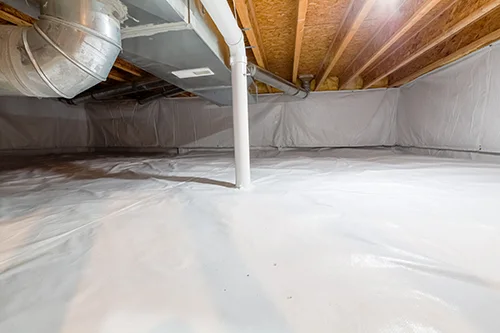
There are several specific areas in your foundation where radon is most likely to enter. Cracks in concrete floors and walls are among the most common. Construction joints, where different sections of the foundation meet, can also allow gas to seep through. Gaps around pipes, sump pits, floor drains, and crawl spaces with exposed soil are additional entry points. In homes with block walls, radon can even travel through hollow spaces inside the blocks before entering the living area.
Moisture and drainage conditions can further influence how radon moves into a home. Water flow through the soil can carry radon gas along with it, increasing pressure beneath the foundation. Poor drainage or high groundwater levels may intensify this effect, making it easier for radon to find its way inside. This is why addressing both air sealing and moisture control is important when managing radon risks.
The good news is that radon entry can be effectively controlled. Sealing visible cracks and openings is a helpful first step, but it’s usually not enough on its own. The most reliable solution is a professionally installed mitigation system, such as sub-slab depressurization (SSD). This system works by creating a vacuum beneath the foundation, redirecting radon gas safely away from the home before it can enter. When properly installed, it can significantly reduce indoor radon levels and provide long-term protection.
Understanding how radon enters your home is the first step toward protecting your indoor air quality. The Radon Guys specialize in radon mitigation, and customized solutions designed to keep your home safe. If you’re concerned about radon or haven’t tested your home yet, now is the time to take action and ensure your living space is healthy for you and your family.
GET STARTED TODAY —
REQUEST A QUOTE
Fill out the form below to get more information. *are required fields