Call Us (508) 429-8919
February 23, 2026
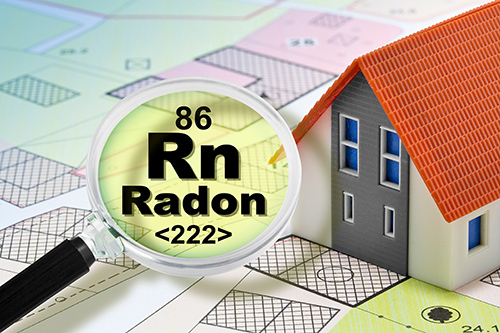
Radon is a naturally occurring radioactive gas that can accumulate in homes and pose serious health risks. While radon is a year-round concern, winter can create conditions that make indoor radon exposure more pronounced. Understanding how indoor air quality interacts with radon is essential for protecting your family.
In cold weather, homeowners often seal doors and windows to conserve heat. While this improves energy efficiency, it also reduces natural ventilation. With less air exchange, radon gas that enters from the soil or water can accumulate to higher concentrations indoors.
Expert Insight: Homes with poor ventilation can see indoor radon levels spike during winter months, sometimes exceeding safe limits established by the U.S. Environmental Protection Agency (EPA).
Forced-air heating systems can pull radon from the soil through foundation cracks, especially if the home is tightly sealed. Stack effect — the natural movement of warm air rising — can draw radon gas from basements into living spaces.
Tip: Regular maintenance of HVAC systems and sealing foundation openings can reduce radon infiltration.
Winter air is often drier, which can make radon harder to detect with some measurement devices. Lower humidity can also affect how radon behaves in indoor air, sometimes causing higher concentrations in the breathing zone.
Recommendation: Use long-term radon test kits to get an accurate measurement throughout the winter season.
Homes using well water may experience additional radon exposure during winter, especially when showers, dishwashing, or laundry create water aerosols. These aerosols can release radon gas directly into the indoor air.
Mitigation Tip: Installing a water-based radon mitigation system, such as aeration or granular activated carbon filtration, can significantly reduce this source.
Indoor air quality directly influences radon exposure, and winter conditions can make it worse. Proper testing, ventilation, and mitigation measures are critical for maintaining a safe home environment.
At Radon Guys, we specialize in radon testing and mitigation solutions for both air and water. Our team helps homeowners identify risks and implement effective systems to protect their families year-round.
Contact Radon Guys today to schedule a radon inspection and ensure your home is safe during winter and beyond.
GET STARTED TODAY —
REQUEST A QUOTE
Fill out the form below to get more information. *are required fields